Introduction to Seed Starting
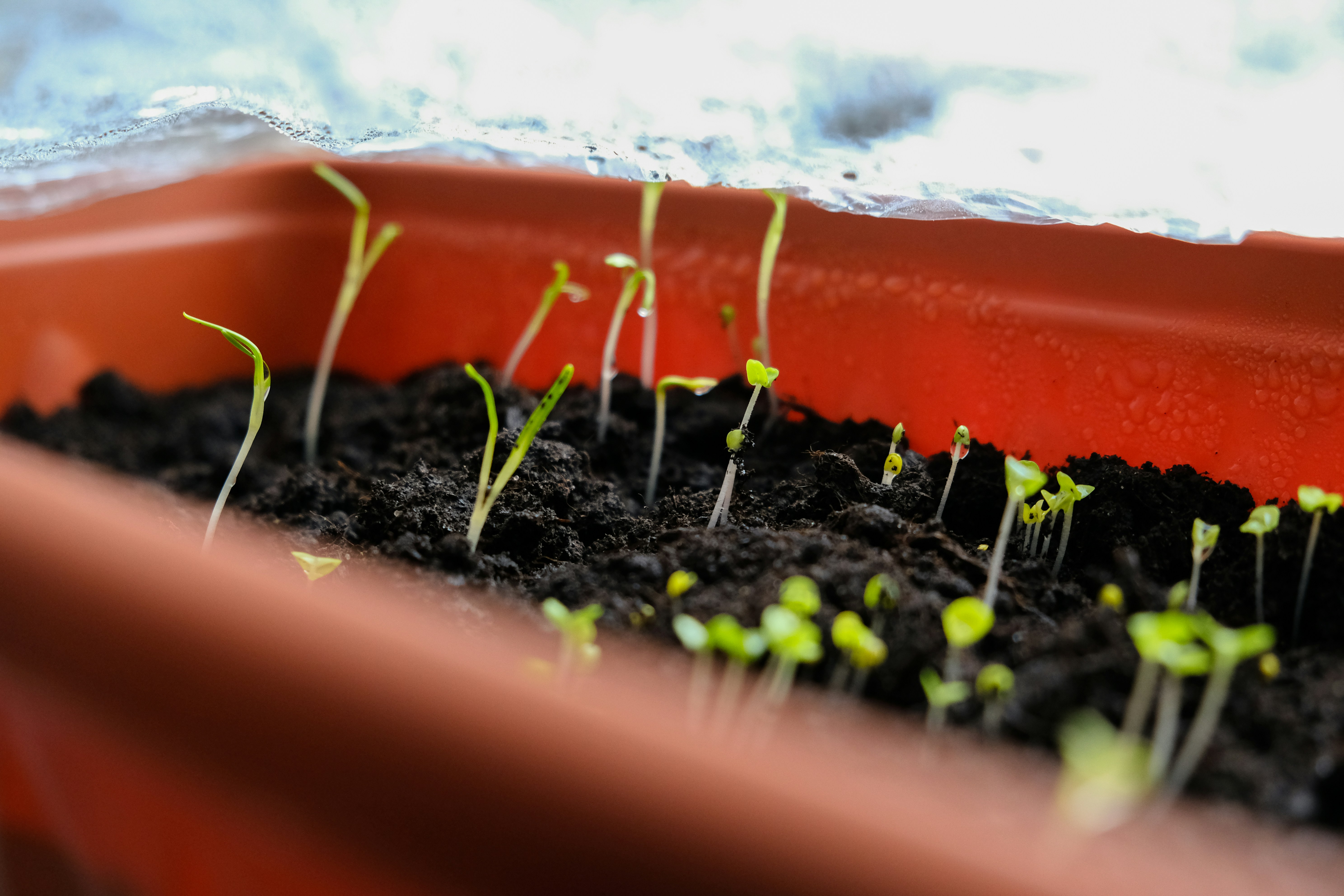
Seed starting is an essential practice for gardeners looking to cultivate their own plants, whether for decorative, culinary, or agricultural purposes. The process involves germinating seeds in a controlled environment before transplanting them into outdoor gardens or containers once the weather is suitable. This not only allows for a longer growing season but also gives gardeners a head start on their plants, ensuring they have a strong foundation for growth.
Preparing for seed starting is crucial for several reasons. Firstly, it affords gardeners the opportunity to select from a diverse range of seeds, including heirloom and organic varieties, that may not be readily available in local nurseries. Additionally, starting seeds indoors or in a greenhouse allows for better control over factors such as temperature, light, and moisture, all of which are vital for the successful germination of seeds.
Moreover, seed starting presents a cost-effective method for planting, as purchasing seeds typically requires a lower financial investment compared to buying fully-grown plants. As gardens bloom, the anticipation of the growth stage can be rewarding, with gardeners observing their efforts come to life. Engaging in this practice also means nurturing the plants during their formative stages, which can foster a deeper connection with the gardening process.
As the growing season approaches, it is crucial to start preparations early. Understanding the ideal timeframes for different seed varieties enables gardeners to map out their planting schedules accordingly. With the right approach, seed starting lays the groundwork for a thriving garden experience, contributing to a fruitful gardening journey.
Importance of Choosing the Right Tools
When embarking on the seed starting journey, the selection of appropriate tools and materials can significantly influence the overall gardening experience. Using high-quality equipment contributes to improving germination rates, plant health, and the eventual success of any gardening endeavor. Understanding the implications of these choices can lead to fruitful cultivation and yield productive results.
Choosing the right seed starting trays, for example, ensures that seeds have sufficient space and the right conditions for sprouting. Containers that offer good drainage and aeration prevent issues such as waterlogging and root rot, both of which can adversely affect seedling health. Furthermore, using materials that retain warmth, like biodegradable pots or heat mats, can help optimize the germination process. This attentiveness to detail fosters an environment conducive to healthy seedling growth.
Additionally, tools such as soil thermometers and moisture meters can provide critical data on the environment where seeds are started. Maintaining the right temperature and moisture levels is essential for promoting optimal growth. Without these measures, gardeners risk lower germination rates and poor seedling development, which could lead to wasted time and resources.
Moreover, utilizing the correct lighting setup can enhance the growth of seedlings as they emerge. Supplemental grow lights, chosen according to specific plant needs, can provide the necessary spectrum for photosynthesis. This factor is especially important for those residing in areas with limited natural sunlight. Thus, investing in proper lighting not only supports vigorous growth but can also lead to healthier, stronger plants.
In conclusion, selecting the right tools and materials is paramount for successful seed starting. Quality equipment directly impacts germination rates and the overall health of plants. As such, it is recommended to approach the seed starting season with a well-considered investment in these essential gardening tools.
Heavy Duty Wire Shelving: The Perfect Base
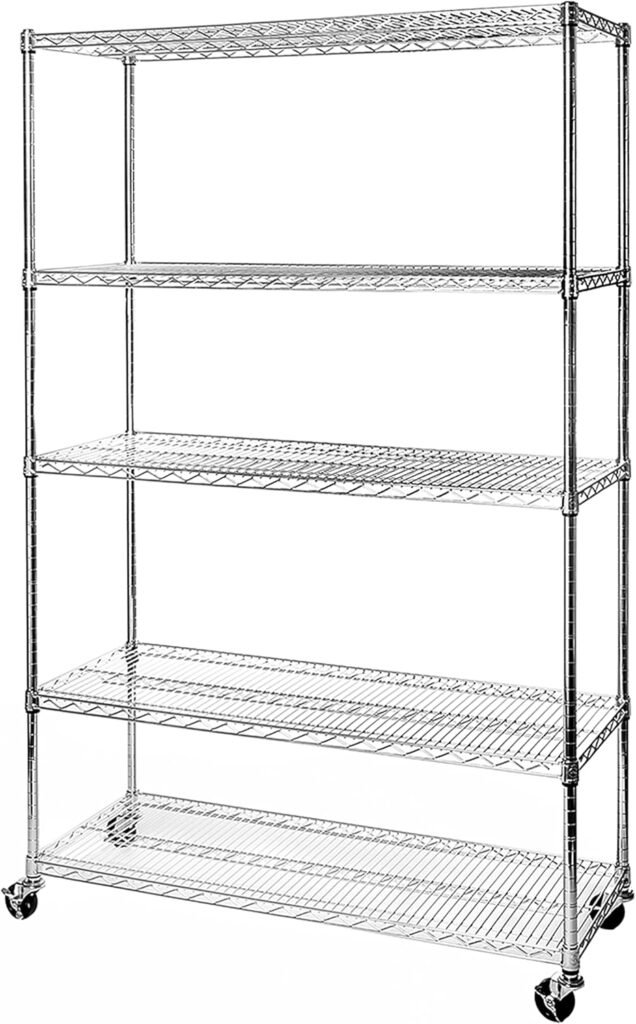
When embarking on the seed starting season, having a reliable organizational system is paramount. Heavy-duty wire shelving provides an excellent foundation for managing seed trays and gardening equipment efficiently. These sturdy shelves are designed to withstand significant weight, making them ideal for supporting multiple trays filled with soil and seedlings without bending or collapsing under pressure.
One of the notable benefits of heavy-duty wire shelving is its durability. Constructed from robust materials, these shelves are built to last and can endure the rigors of a busy gardening area. Unlike conventional shelving units, heavy-duty options resist rust and corrosion, ensuring that they maintain their functionality over time, even when exposed to moisture associated with watering and humidity during the plant growth phase.
Moreover, the design of wire shelving promotes optimal air circulation around the seed trays. This airflow is essential in preventing mold and fungal diseases that thrive in stagnant environments. The open structure allows for better light penetration and helps regulate temperature, creating ideal conditions for seed germination.
In addition to its functional advantages, heavy-duty wire shelving optimizes space effectively. Available in various sizes, they can be arranged in tight areas, maximizing vertical space in your gardening location. This is especially beneficial for those with limited room, allowing for multiple layers of trays stacked neatly. By utilizing vertical space with wire shelving, gardeners can keep their equipment organized and easily accessible, thus enhancing productivity during the seed starting season.
Setting Up with 4 LED Shop Lights
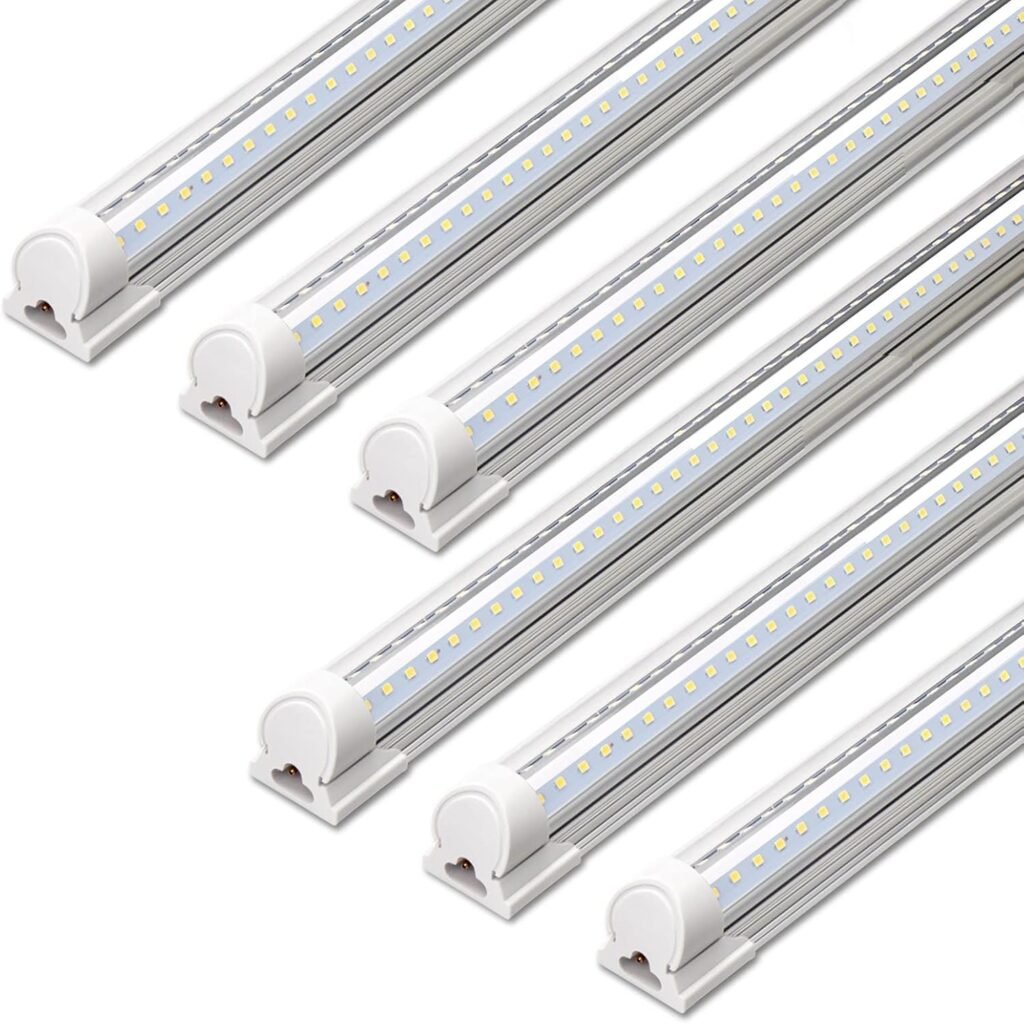
Lighting is a crucial element in the seed starting process, significantly influencing the health and vigor of young plants. Seedlings require specific light spectrums to thrive, particularly blue light for vegetative growth and red light for flowering. Utilizing 4 LED shop lights can effectively meet these needs while also being energy efficient, making them an excellent choice for indoor gardening.
LED shop lights are engineered to emit a broad spectrum of light that caters to the needs of seedlings. Unlike traditional fluorescent bulbs, LEDs consume less power and produce less heat, reducing the risk of burning young plants. This allows for a closer placement of lights to the seedlings, which enhances photosynthesis and promotes healthy growth. Additionally, the longevity of LED lights—often lasting up to 50,000 hours—means fewer replacements, translating into long-term cost savings and a more sustainable growing environment.
To properly set up your LED shop lights, begin by assembling a sturdy shelving unit where seeds will be planted. Position the lights on adjustable hangers or chains to allow easy modification of height as seedlings grow. Ideally, the lights should be placed 12 to 24 inches above the seedlings, depending on the light’s intensity. It’s recommended to keep the lights on for approximately 14-16 hours per day to simulate natural sunlight, which encourages robust seedling development.
Moreover, it is beneficial to invest in a timer to automate the lighting schedule. This ensures consistency, which is essential for seedlings as they establish their growth patterns. By creating an optimal lighting setup with LED shop lights, gardeners can significantly boost their seed starting season, ultimately leading to a successful harvest.
Harnessing Heat with Seedling Heat Mats
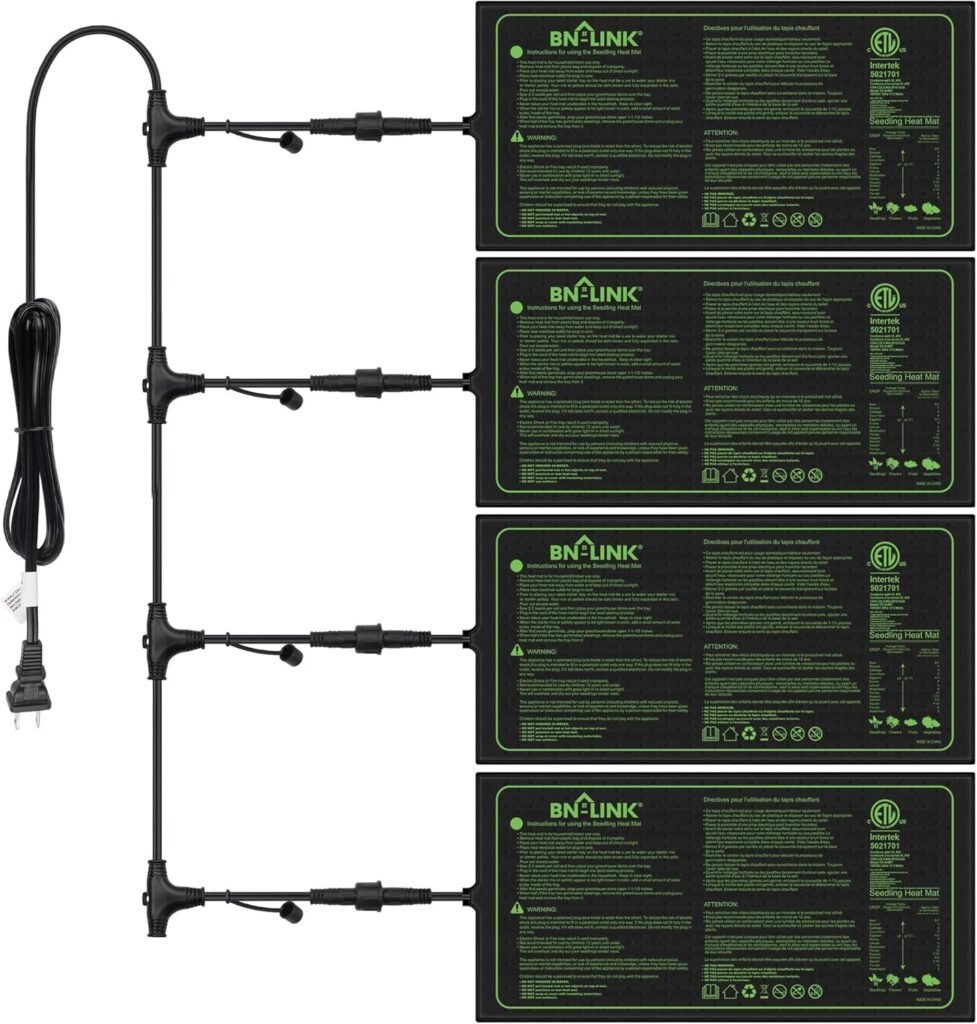
Seedling heat mats are an invaluable tool for any gardener looking to enhance seed germination rates. These mats provide consistent warmth to the seeds, which is crucial, especially during the colder months. Many seeds have specific temperature requirements for optimal germination, and by using a heat mat, gardeners can create the ideal microclimate for their seedlings.
The importance of temperature in the germination process cannot be overstated. Warm soil temperature stimulates seed metabolism, leading to faster and more uniform germination. Without adequate warmth, many seeds can remain dormant for extended periods, delaying the planting season and impacting yield. Seedling heat mats typically maintain soil temperatures between 70-80°F (21-27°C), which is ideal for most seeds. Additionally, these mats often include built-in thermometers or adjustable thermostats, allowing gardeners to monitor and control temperatures easily.
Two highly recommended seedling heat mats are the VIVOSUN Seedling Heat Mat and the Hydrofarm Seedling Heat Mat. The VIVOSUN model features an external thermostat, providing precise temperature control, and covers an ample surface area suitable for multiple seed trays. This ensures consistent warmth across the entire planting area. On the other hand, the Hydrofarm mat is designed with a durable, waterproof surface, making it an excellent choice for messy environments. Both mats promote faster germination rates, allowing for a more successful gardening season.
To use these heat mats effectively, place them under your seed trays before sowing. Set the thermostat, if present, to the desired temperature, and monitor the moisture levels of the soil, ensuring they remain consistent. Once the seeds germinate and seedlings develop their first true leaves, it is crucial to remove them from the heat mat to prevent overheating and stress, facilitating a healthy transition into their growing environments.
Choosing the Right Trays for Seed Starting
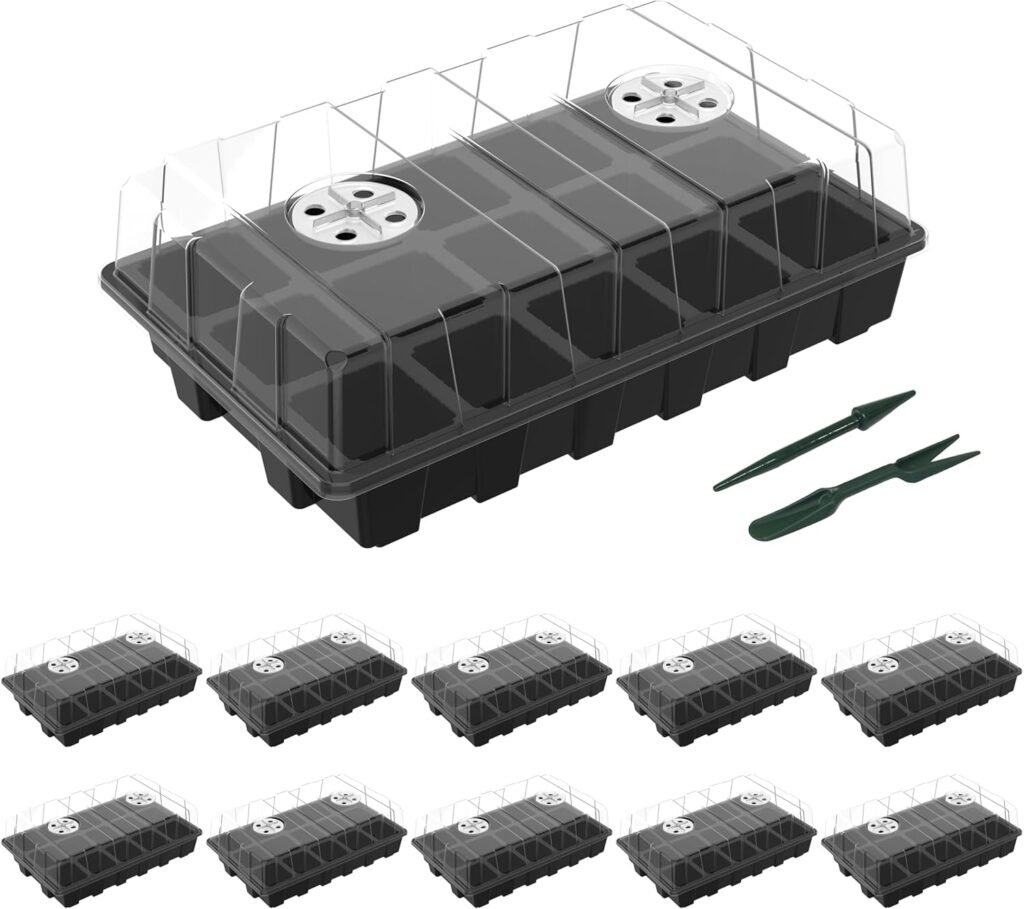
When embarking on the seed starting journey, selecting the appropriate trays is crucial for successful plant growth. Various types of seed trays cater to different needs, and understanding these options can significantly influence your gardening outcomes. Generally, seed trays come in plastic, peat, and biodegradable materials, each offering unique advantages.
Plastic trays are widely favored due to their durability and reusability. They often include drainage holes, which are essential for preventing waterlogging, a common issue that can hinder seed germination. Look for trays that are sturdy yet lightweight, making them easy to handle and reposition as needed. Some plastic trays also feature a heat mat compatible design, promoting quicker seed germination by maintaining optimal temperatures.
On the other hand, peat trays offer a more environmentally friendly alternative. Made from compressed peat moss, these trays can decompose naturally when planted directly into the soil, facilitating a smoother transition for seedlings. They typically have good drainage capabilities, but one must be cautious not to over-dry them, as overly dry peat can repel water.
Biodegradable trays, such as those made from coconut coir or paper pulp, are also gaining popularity. These trays not only support sustainable gardening practices but also provide adequate moisture retention while allowing roots to penetrate the sides when transplanted. It’s imperative to choose trays that allow for air pruning, as this will encourage healthier root systems.
In summary, when selecting seed starting trays, consider the material, drainage capabilities, and the potential for reusability. Each type has its benefits, so understanding the specific needs of your seedlings will help you make the best choice for a successful growing season.
Media Selection: 2 Inch Rockwool for Optimal Growth
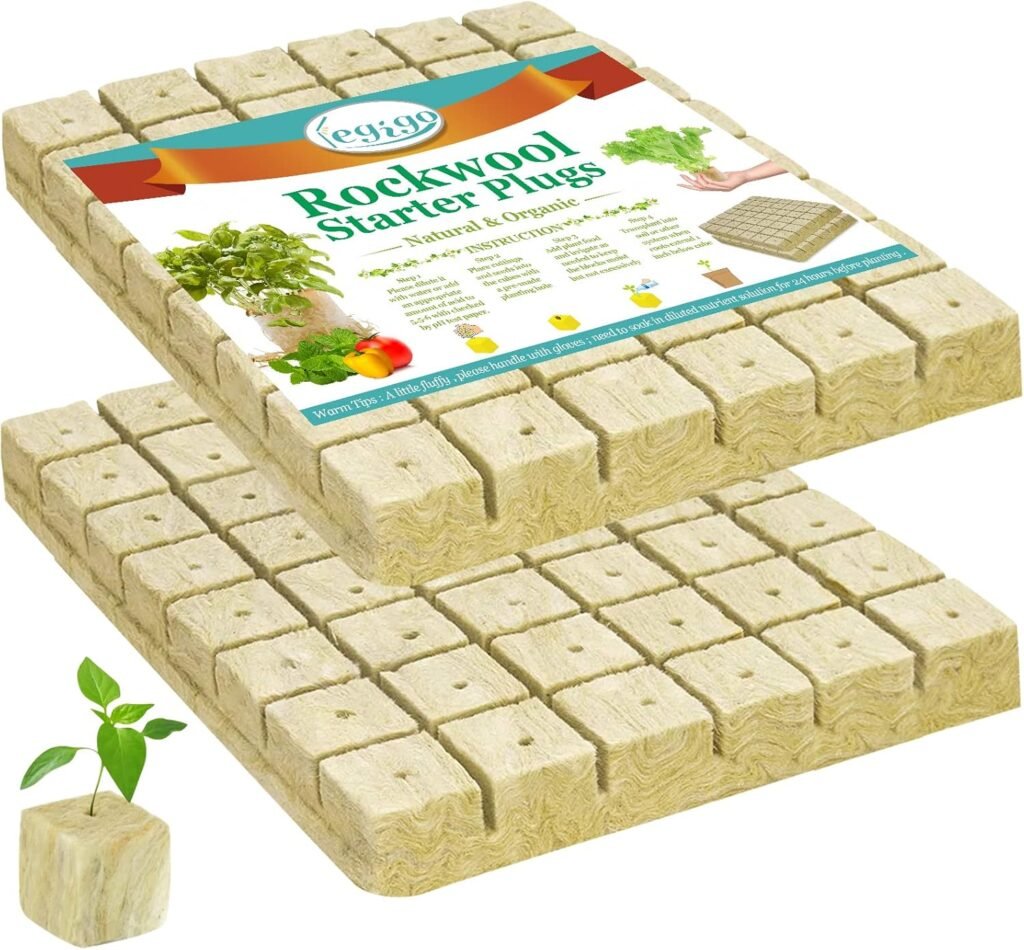
When it comes to seed starting, the choice of growing medium is crucial for ensuring optimal growth and development. One of the most effective options available is 2 inch rockwool. This growing medium is engineered from natural basalt rock, which offers several beneficial properties that can significantly affect seedling success.
One of the primary advantages of 2 inch rockwool is its excellent moisture retention capability. This feature allows for water to be held within the material while also facilitating drainage, preventing waterlogging. Seedlings thrive in consistent moisture levels, and rockwool provides an environment where water is readily available without over-saturation. This is particularly important during the early stages of growth when seedlings require adequate hydration but are most vulnerable to root rot.
Aeration is another key property of rockwool that supports healthy root development. The fibrous structure of the medium promotes airflow around the roots, encouraging them to grow vigorously. Good aeration not only enhances nutrient uptake but also minimizes the occurrence of diseases that thrive in compacted soil. This makes 2 inch rockwool a reliable option for both novice and experienced gardeners.
When using 2 inch rockwool, it can be effectively paired with other seed starting methods. For example, incorporating rockwool cubes into a hydroponic system can create a synergistic effect, allowing seedlings to benefit from both water and nutrient solutions in a controlled environment. Additionally, combining rockwool with organic fertilizers can further enhance plant growth by providing essential nutrients without compromising the integrity of the medium.
In conclusion, 2 inch rockwool serves as an excellent growing medium for seed starting, characterized by its moisture retention and aeration properties. By understanding how to utilize it in conjunction with other techniques, gardeners can significantly increase their chances of nurturing robust seedlings successfully.
Tips for Successful Seed Starting
Starting seeds effectively is essential for a successful gardening season. To maximize your success when starting seeds, whether indoors or outdoors, there are several key considerations. First and foremost, timing plays a critical role in seed germination and growth. Depending on the type of plants you are growing, it is important to refer to the seed packet or local gardening guides to determine the optimal planting dates. Ensuring that you plant your seeds at the right time will provide them with the best chance for a healthy start.
Next, monitoring moisture levels is crucial in the seed starting process. Seeds require consistent moisture to germinate; too much water can lead to rot, while too little can hinder germination. Utilizing a moisture meter can help you keep track of moisture levels in the soil, allowing you to adjust your watering schedule as needed. Additionally, when starting seeds indoors, consider using seed starting trays that have drainage holes to prevent waterlogging, which can be detrimental to seed development.
Temperature control is another vital factor in successful seed starting. Most seeds germinate best at temperatures between 65°F and 75°F (18°C to 24°C). If you are starting seeds indoors, consider using a heat mat to maintain consistent warmth, especially in cooler climates. Positioning your trays in a well-lit area or under grow lights can also enhance germination rates, as sufficient light is necessary for seedling development.
Finally, it is prudent to provide adequate spacing for seedlings once they have emerged. Overcrowded seedlings can compete for nutrients and light, leading to weak and leggy growth. Thinning out seedlings to allow for better airflow and spacing can significantly improve overall plant health.
Conclusion and Final Thoughts
As we wrap up our discussion on essential Amazon products to jumpstart your seed starting season, it is imperative to recognize the significance of investing in the right tools and supplies. The journey from seed to plant can be incredibly rewarding, and utilizing quality products can enhance your gardening experience tremendously. We have explored various tools ranging from seed trays and germination kits to grow lights and watering systems, each playing a vital role in ensuring successful seedling development.
The seed starting process can often be daunting for new gardeners, but with the right products such as seedling heat mats to provide consistent warmth and quality potting soil that promotes healthy root systems, the groundwork for prolific growth is laid. Furthermore, the incorporation of appropriate lighting solutions will help your seedlings thrive indoors, ensuring they receive the necessary light spectrum for photosynthesis.
Investing in these recommended items is a step towards guaranteeing a fruitful seed starting season. It not only aids in achieving optimal conditions for seed germination but also fosters a thriving gardening hobby. We encourage you to take the plunge and procure the tools that resonate with your gardening aspirations.
As you embark on this gardening adventure, remember to document your progress, share your experiences, and connect with fellow gardeners. There is immense joy in witnessing the transformation of a tiny seed into a robust plant, and your journey could inspire others to explore the wonderful world of gardening. Happy planting!