Introduction to the Importance of Erasers in Watercolor Painting
In the realm of watercolor painting, the inclusion of quality erasers plays a pivotal role that often goes unnoticed by many artists. The delicate nature of watercolor paper necessitates the use of specialized erasers to prevent damage, while also allowing for precise corrections and adjustments. A good eraser can save a piece from potential ruin by maintaining the integrity of the paper’s surface, thus preserving the application of vibrant hues.
Watercolorists commonly encounter the need to correct mistakes or refine certain areas within their compositions. Utilizing the appropriate eraser ensures that the artist can achieve these adjustments without fear of tearing the fragile paper. Standard erasers, while effective in pencil techniques, can be abrasive and lead to undesirable results in watercolor applications. Therefore, it is essential to choose erasers specifically designed for use with watercolors.
Moreover, the quality of an eraser affects not just the paper but also the colors laid down. It is vital for an artist to select tools that enable them to lift color without disturbing the surrounding area. The right eraser can effectively lighten a mistake without muddying or compromising the surrounding watercolors, maintaining the overall vibrancy and clarity of the work. This balance of functionality and care is what elevates the role of erasers in the watercolor painter’s toolkit.
As we go through this exploration of essential erasers for watercolor artists, we will highlight five specific types that have been well-received within the artistic community. Each of these erasers serves a distinct purpose, equipping artists—whether beginners or experienced—with tools to enhance their creative expression while maintaining the quality of their medium.
Top 5 Essential Erasers for Watercolor Artists
For any watercolor artist, the selection of erasers can significantly influence the quality of the artwork. Below, we detail five essential erasers that every watercolor enthusiast should consider, focusing on their material, effectiveness, and unique attributes.
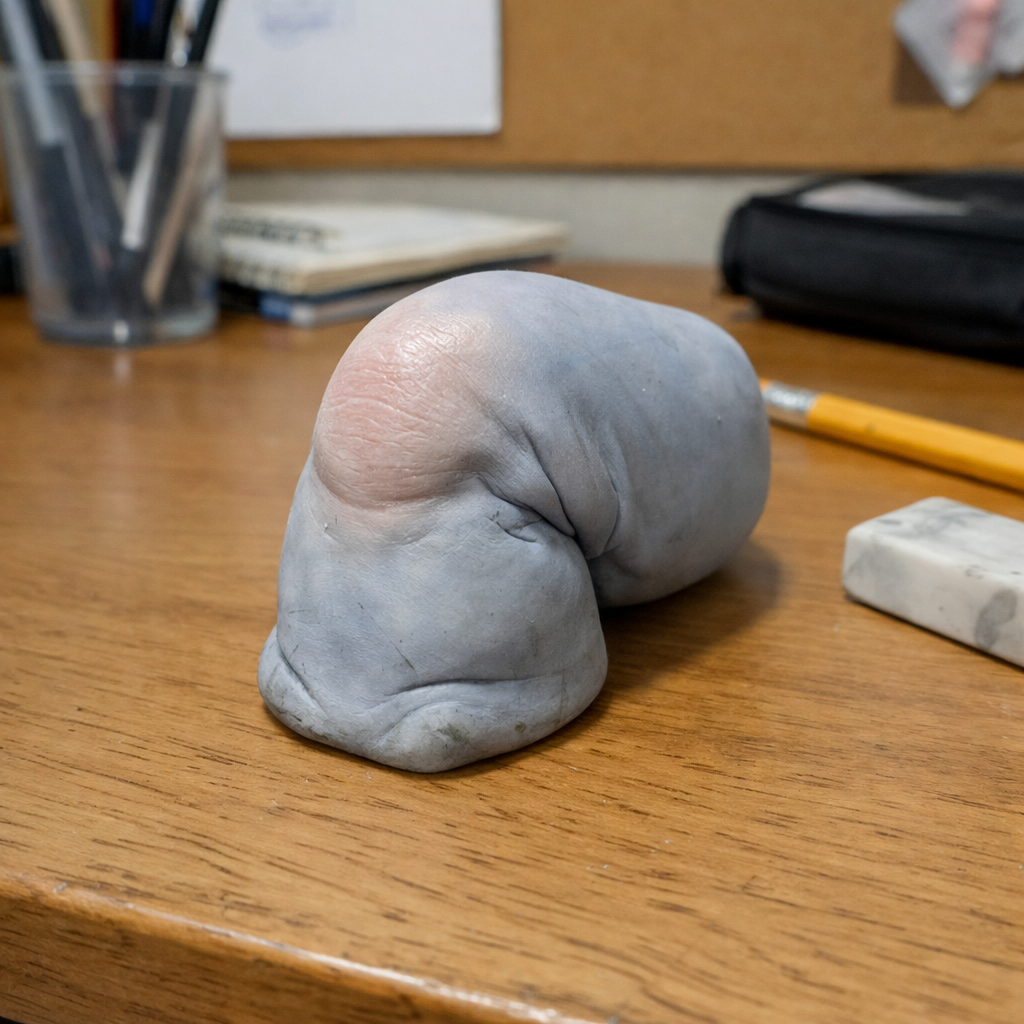
1. Kneaded Eraser: This versatile eraser is made of a soft, pliable material that can be molded into various shapes. Its primary strength lies in its ability to lift color without damaging the paper beneath. Ideal for fine details and softening pencil lines, a kneaded eraser is perfect for artists who desire precision in their watercolor projects. Use it gently to avoid tearing the paper.
2. Vinyl Eraser: Known for its durability, vinyl erasers are effective at removing graphite and colored pencil marks without smudging. Their firm texture allows for a more aggressive approach to erasure but should be used cautiously on delicate watercolor paper to prevent any surface damage. They work best for larger areas or when significant corrections are required.
3. Rubber Eraser: This is a classic choice among many artists, known for its reliability. Rubber erasers are effective in cleaning up pencil marks and are versatile enough to use on various papers. As they perform excellently on smoother surfaces, watercolorists should utilize them carefully to maintain the integrity of their art.
4. Electric Eraser: This innovative tool is particularly helpful for removing small details and is ideal for achieving precision in intricate watercolor works. When used correctly, an electric eraser can provide a clean finish, though caution is advised regarding pressure applied to avoid damaging the paper.
5. Artgum Eraser: Composed of a soft, sponge-like material, the Artgum eraser is gentle on paper and perfect for lightening pencil lines. It is especially useful for creating soft transitions in watercolor work. This eraser crumbles as it erases, which helps to absorb residue effectively, but it may require more frequent replacement.
In conclusion, selecting the right eraser is pivotal for enhancing the overall watercolor painting experience. Each of these five essential erasers offers unique benefits that can help artists achieve their desired results, so understanding when and how to use them is crucial for creating beautiful artwork.
How to Choose the Right Eraser for Your Painting Style
Choosing the right eraser is a crucial consideration for any watercolor artist, influenced by various factors such as the type of watercolor paper used, the techniques employed, and the intended outcomes. Watercolor mediums are uniquely finicky, requiring precise tools that complement their fluid nature. Artists should therefore evaluate their artistic preferences to select an eraser that aligns with their style.
Different paper types can greatly affect how one should approach erasing. For instance, rough watercolor paper, often used for techniques involving heavy washes or textured effects, might necessitate a firmer eraser. Conversely, soft or smooth paper types, preferred for detailed work or light washes, may work best with a gentler, softer eraser. This helps to prevent any undue abrasion or tearing that could disrupt the paper’s surface.
Moreover, understanding one’s painting techniques is essential when selecting an eraser. Artists who frequently use glazing techniques may find that a PVC eraser serves their needs well, as it can gently lift paint without damaging the underlying layer. Alternatively, those who concentrate on sketching or detailed outlining might benefit from a kneaded eraser, which can be molded to provide precision while erasing. This adaptability can be pivotal, allowing the artist to manipulate the eraser for various effects.
Lastly, consider the intended effects of your work. Are you looking to create soft transitions or more defined edges? An eraser suited for blending techniques can facilitate smooth transitions, while a harder eraser may help achieve sharper contrasts. Ultimately, it is advisable for artists to experiment with a range of erasers to find the ones that best suit their painting style. Emphasizing the importance of personal preference will lead to more satisfying artistic results.